




AL HAMRA: The Wilayat of Al Hamra is witnessing a surge in investment driven by Omani youths who are transforming cultural and historical heritage into thriving tourism ventures. By restoring mud-brick homes, reviving authentic Omani hospitality and leveraging lush oases and natural trails, these young entrepreneurs are putting the region firmly on the global travel map.
Leading the charge is Masqa Cafe, an initiative that blends location-specific authenticity with modern innovation. Project owner Ibrahim bin Ahmed al Hattali notes that Al Hamra is experiencing rapid tourism growth thanks to the diverse experiences offered by residents.
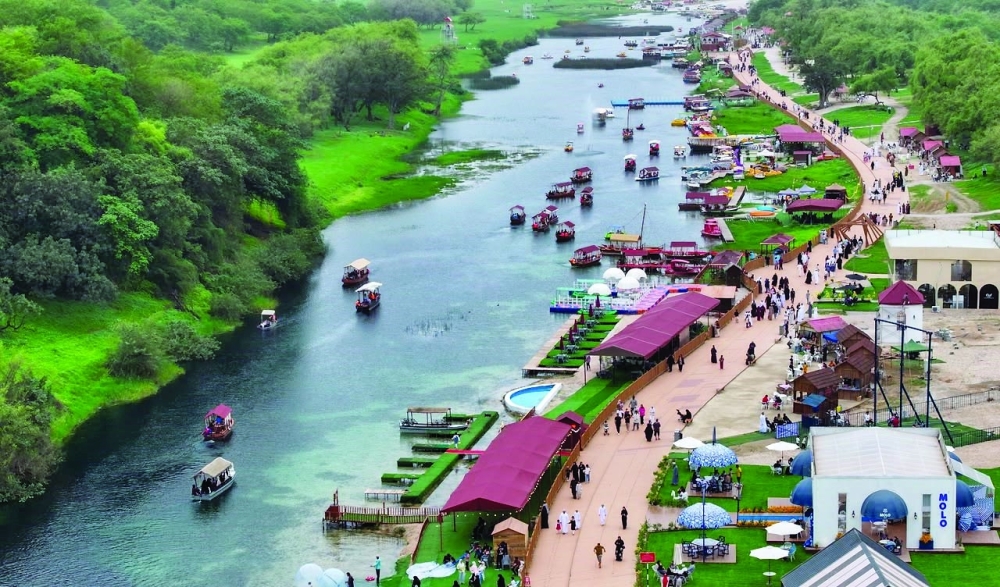
"Modern cafes and tourism concepts are no longer just about standard service," Al Hattali explained. "They rely on integrating local environment and Omani identity into an all-encompassing experience. Masqa Cafe was designed as an open-air retreat amidst date palm oases and trees, where natural beauty meets the unique character of the place."
Al Hattali highlighted that his clientele includes families seeking relaxation, photography enthusiasts and tourists eager to experience Omani hospitality in a natural setting. To sustain this momentum, he urged officials to boost rural tourism marketing, streamline approval processes for outdoor ventures, expand logistics infrastructure near oases and build dedicated pedestrian trails and safe recreational areas.
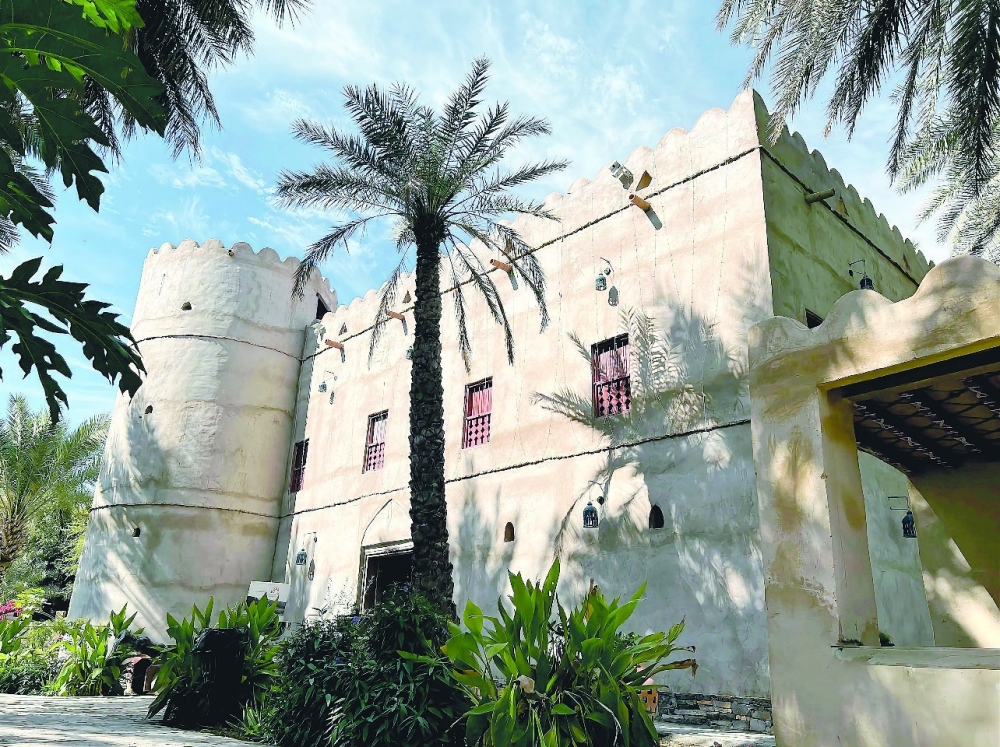
Efforts to preserve heritage architecture are equally robust. Jaber bin Mubarak al Abri, owner of the Bait Al Burj Heritage House, describes the wilayat's historical structures as vital components of national identity.
Constructed from mud and sun-dried brick amidst palm groves, Bait Al Burj serves as a living museum showcasing traditional architecture alongside a rare collection of artefacts documenting daily life in historic Oman.
"Visitor interest in heritage homes is steadily rising as travellers seek to step back in time and explore historical artefacts up close," Al Abri said.
To ensure long-term viability, Al Abri advocated for dedicated funding and support programmes to maintain and restore mud-brick structures facing weather erosion and high upkeep costs. He also called for simplified permitting processes to convert historic buildings into living museums without sacrificing architectural integrity, alongside workshops and festivals celebrating traditional crafts to reactivate ancient neighbourhoods.
Abdullah bin Zaher al Abri, founder of the Misfah Hospitality Inn and the Misfat Al Abriyeen Museum, emphasised the pivotal role of community-led investments in showcasing the area's natural assets. Key attractions include Misfat Al Abriyeen — recognised globally as one of the UN Tourism Best Tourism Villages — alongside Jabal Shams, Al Jabal Al Sharqi and Al Hoota Cave.
Built using traditional mud and stone, the inn and museum offer guests an immersive experience combining Omani hospitality with local history, attracting both domestic visitors and European tourists seeking authentic cultural stays.
Looking ahead, Abdullah al Abri highlighted the need for infrastructure upgrades, including safer mountain roads, better signage and enhanced visitor services. He also suggested introducing adventure tourism infrastructure — such as cable cars and zip lines — and establishing a dedicated task force combining government agencies and local experts to shape a long-term development strategy for the region.
Oman Observer is now on the WhatsApp channel. Click here